Austin, Texas and nearby towns
Foundation repair in Austin, TX
Austin is built on two kinds of ground. East of the Balcones Escarpment lies deep clay that swells when it is wet and shrinks in a drought. West of it, limestone sits under thin soil. Houses move differently on each. The pages here explain the signs in plain words, and the number below reaches an independent local foundation repair company that can come and inspect.
Handy to have when you call
- The street address, and whether the house sits on a slab or on piers and beams
- What you are seeing, and in which rooms
- Roughly when you first noticed it, and whether it comes and goes with the weather
- Whether you are staying put, buying or selling
Start here
What are you seeing?
One page per sign. Each sets out how it looks, the innocent explanations, and what gets measured before a repair is ever suggested.
- Stepped cracks in brick, cracked drywallMortar joints opening like a staircase, and diagonal lines leaving the corners of door frames.Read this page
- Doors that drag, windows that jamA latch that misses its hole, or a gap over the door that is fat at one end and thin at the other.Read this page
- Floors that tilt, dip or springA room that runs downhill, a hollow in mid-floor, or boards that give under your feet.Read this page
- A crack through the concrete slabCrack features to record before an inspection, including raised edges.Read this page
- A tired floor over a crawl spaceOlder central Austin houses on posts: fallen shims, soft wood and damp underneath.Read this page
- One end of the house going downWhat a lift involves, and why the low end is not always the end that moved.Read this page
- Rainwater standing against the wallDownspouts, soil slope and planting beds, with a table of which trade to ring.Read this page
Why Austin is different
Two kinds of ground, one city
The Balcones Escarpment runs through Austin. The Bureau of Economic Geology at UT Austin describes Blackland Prairie farmland to its east and Hill Country rangeland to its west.
East of the escarpment
Deep clay that follows the weather
The dark prairie clay cracks open in a dry summer and swells shut again once rain soaks in. A slab resting on it rides up and down with the soil, and seldom evenly from corner to corner.
Doors that bind in August and ease by spring, and brick joints that open and close, are typical of this side of town.
West of the escarpment
Limestone under thin soil
In the hills the soil is thin and stony, with hard rock close below. Trouble here is more often about slopes, about soil that was brought in to make a flat building pad, and about rainwater running downhill toward the house.
A house can sit partly on rock and partly on fill, and the two halves do not behave alike.
Which side you live on changes what an inspector looks for first. Read why foundations move in Austin.
This is a referral service
What happens when you call
Nobody at Austin Foundation Repair Help inspects or repairs houses. The number reaches a company that does.
You describe the problem
Say what you see and where the house is. A few sentences is enough.
You speak with a local company
It is an independent foundation repair business that works in your part of the Austin area. It decides whether the job is one it handles.
It arranges an inspection
Someone from that company comes to the house, looks at the cracks and doors, and measures how far the floors are from flat.
You get its findings and price
Both belong to that company. Ask for them on paper, then hire it, get a second opinion or wait and watch. The choice stays with you.
Guides
Worth reading before you hire anyone
- Why foundations move in AustinBlackland clay east of the escarpment, Hill Country limestone west of it, and how a dry year treats each.
- Piers and other methodsPush piers, helical piers, concrete piers, foam lifting and crawl space carpentry, minus the sales talk.
- What drives the priceNo figures. Only the items that push a quote up or down, and a way of lining two quotes up.
- Getting it inspectedCompany evaluator, engineer or home inspector: who reads your floors, and which papers to keep.
- Austin permit rulesThe 128-square-foot exemption, the Express permit, and the tree and old-house reviews.
Outside the city limits
Towns around Austin
Permit offices and soils change from town to town. These three have their own pages.
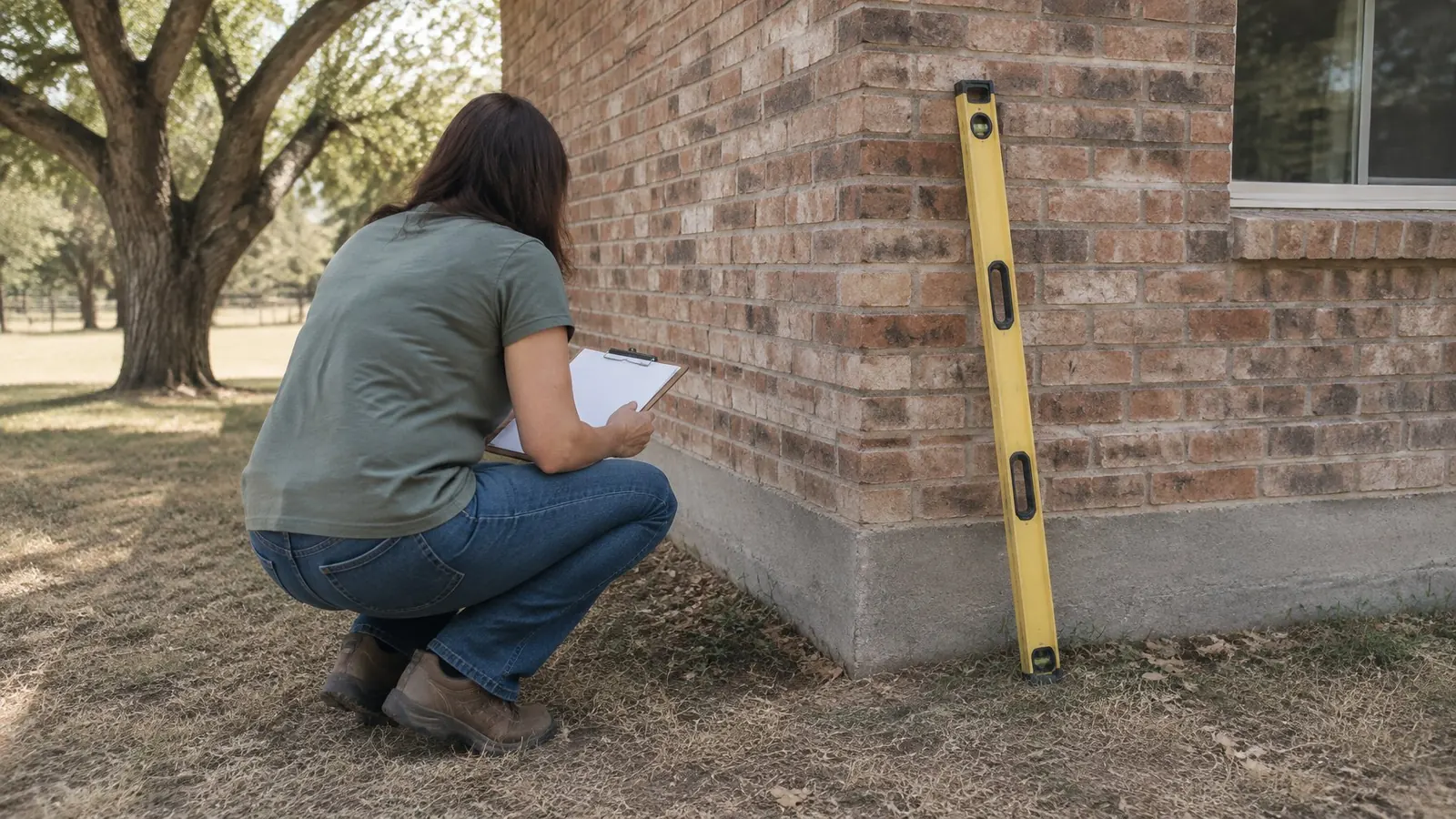 Round RockThe city asks for an engineer's sealed plan and a final engineered report on every foundation repair permit.
 GeorgetownThe soil named after the town lies on hard limestone, and permit rules change at the city limits.
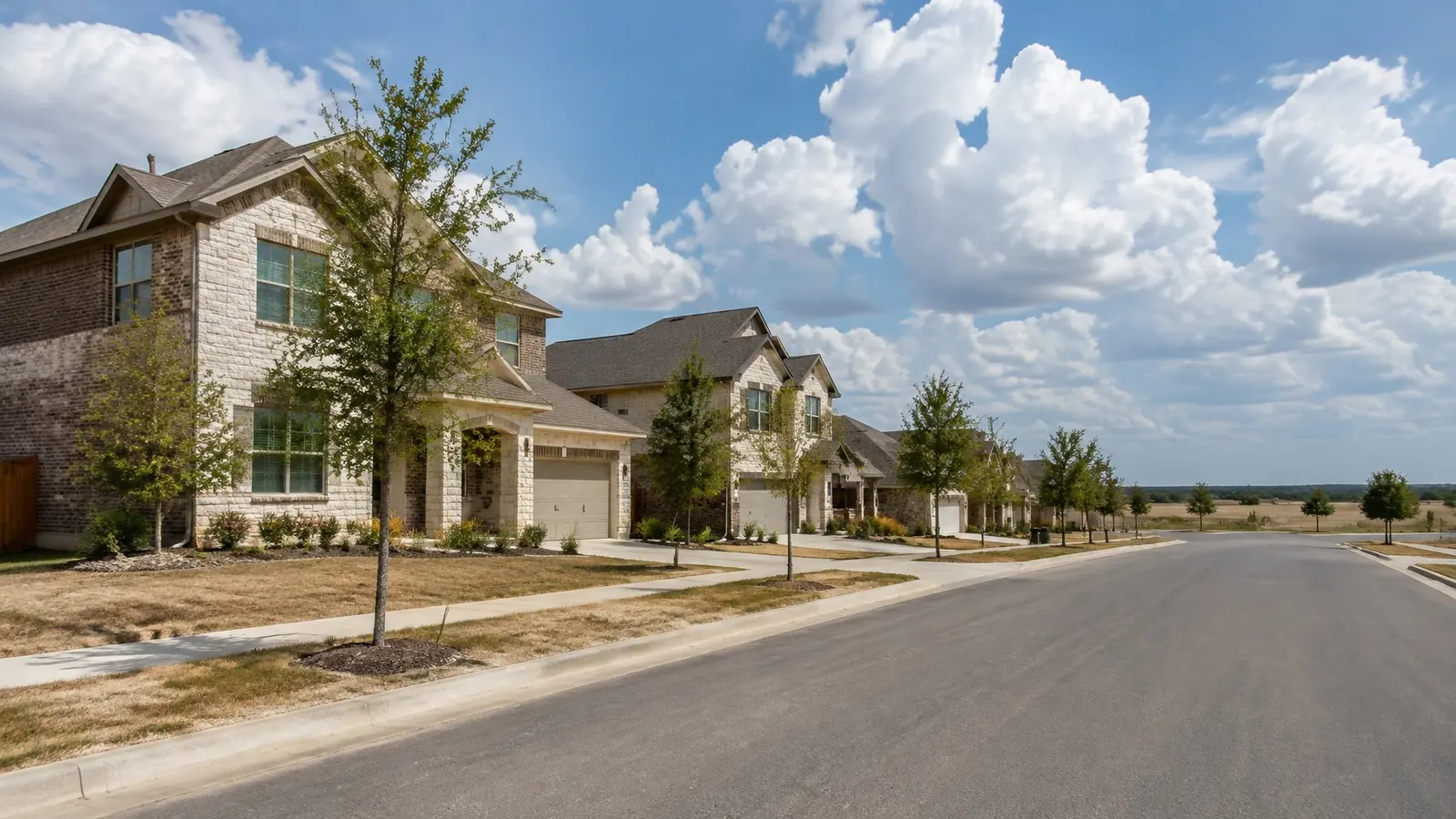 ManorBlackland clay at its most active. The soil survey's reference pit for it is in farmland north-east of town.
Cedar Park, Pflugerville, Lakeway, Bee Cave, Buda and Hutto are covered too. See the whole service area.
Quick answers
Is Austin Foundation Repair Help a repair company?
No. It is a referral service with information pages. The inspection, the repair plan, the price and any warranty all come from the independent company you speak with.
Does this site charge me for calling?
No, this site does not bill callers. Whether the repair company charges for its inspection is up to that company, so ask before it visits.
Can I call about a rental house or a house I am buying?
Yes. Owners, landlords of houses, buyers under contract and sellers all call. Say which you are, because a sale usually needs a written report.
Want it looked at?
Phone, say where the house is and what has changed, and you will be speaking with an independent local foundation repair company. It can book a visit to measure the floors and tell you what it finds.
Calls may be recorded. Austin Foundation Repair Help refers callers and repairs nothing itself, as the referral disclosure sets out. Call details are handled under the privacy policy.